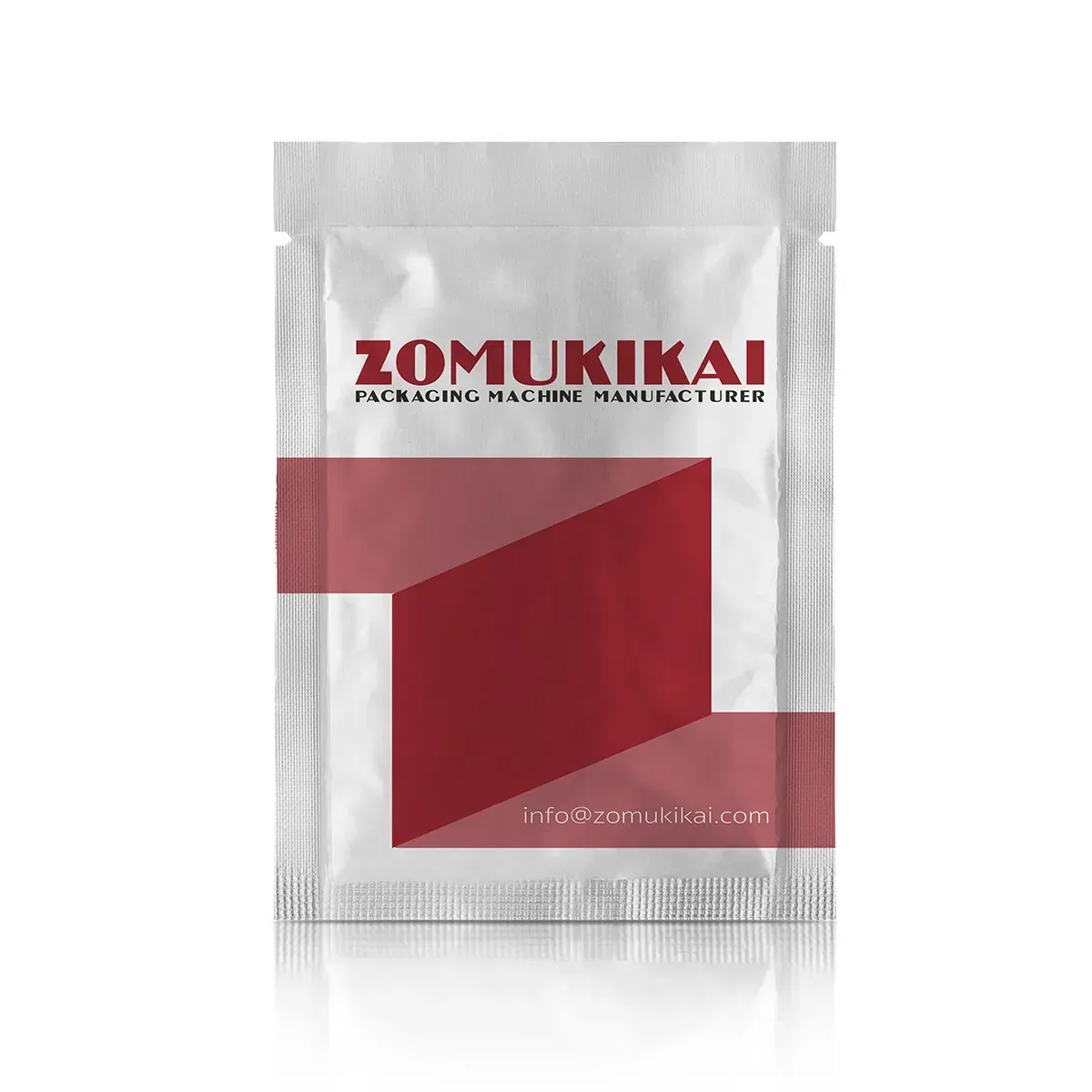
Pouch Packaging Applications
Premade pouches are used across food, household, pet and industrial products. The ZOMUKIKAI ZP range handles powders, granules, liquids and pastes; the pouch format and dosing method are selected for each product.
Bag Types
-
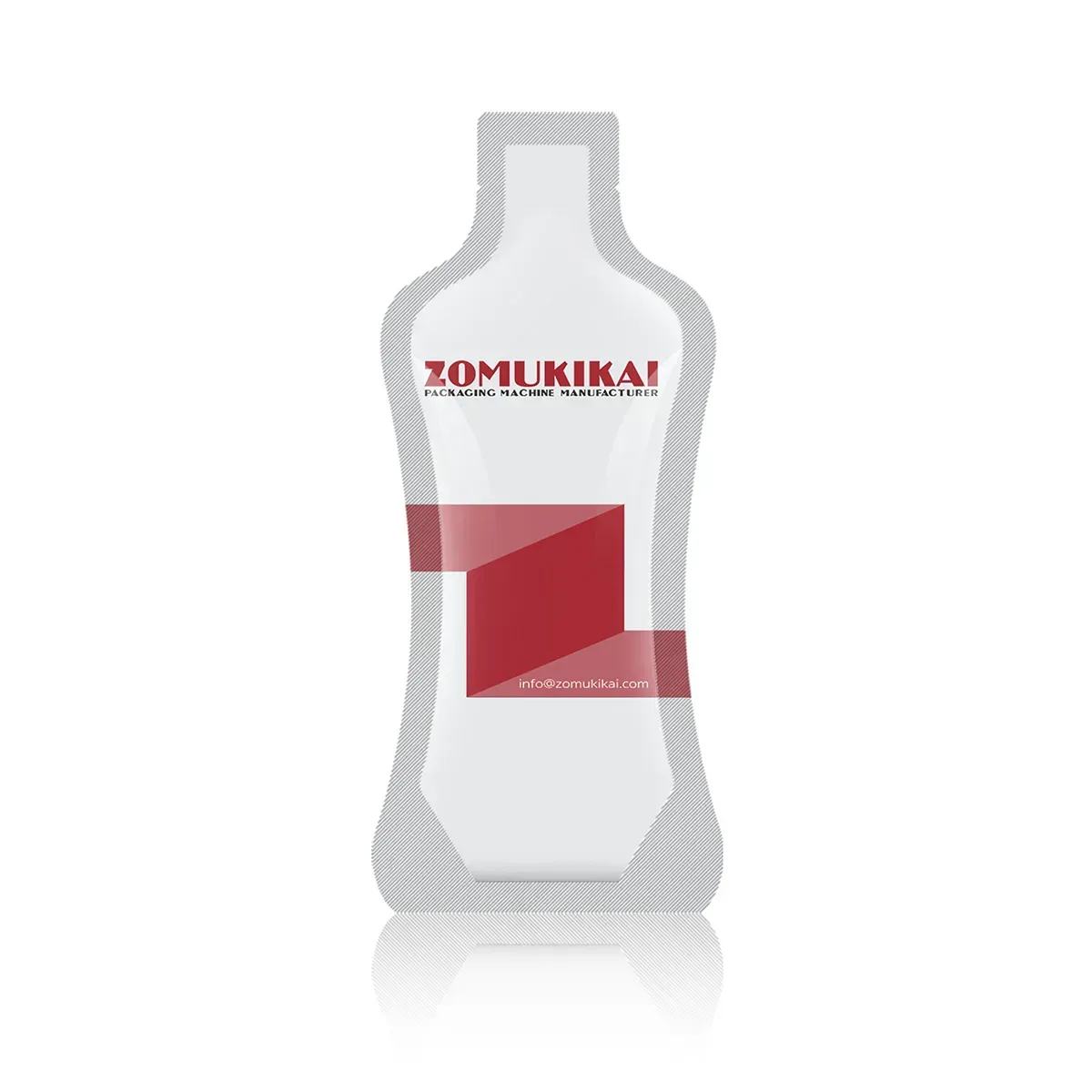
Shaped Pouch
A shaped pouch uses a non-rectangular outline for a distinctive shelf presence. Shaped-pouch handling is available as a platform option, selected when the pouch and product require it.
-
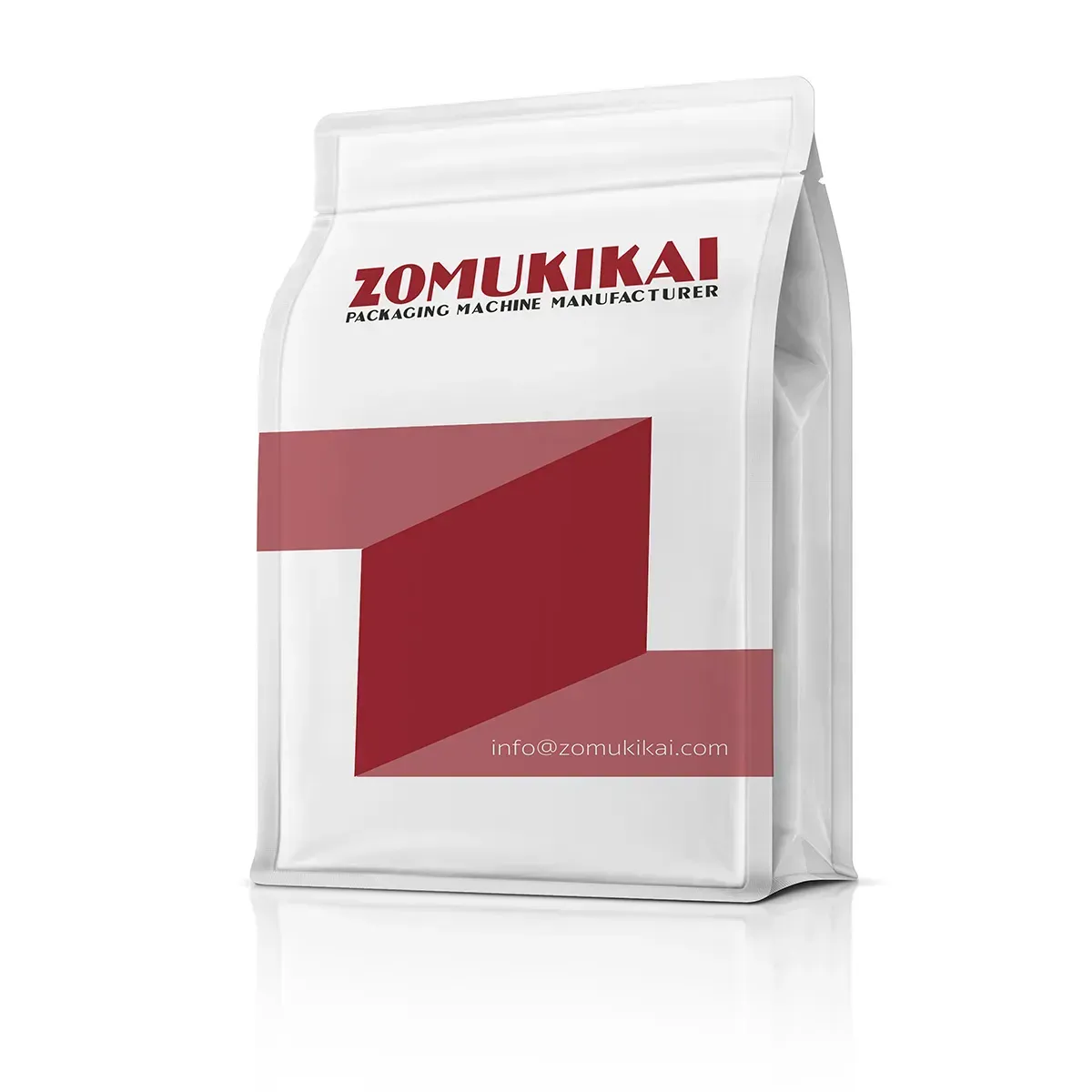
Flat-Bottom Pouch
A flat-bottom pouch has a rectangular base for shelf stability. The ZP platform uses premade pouches; the flat-bottom format is confirmed with the pouch sample and the machine configuration.
-
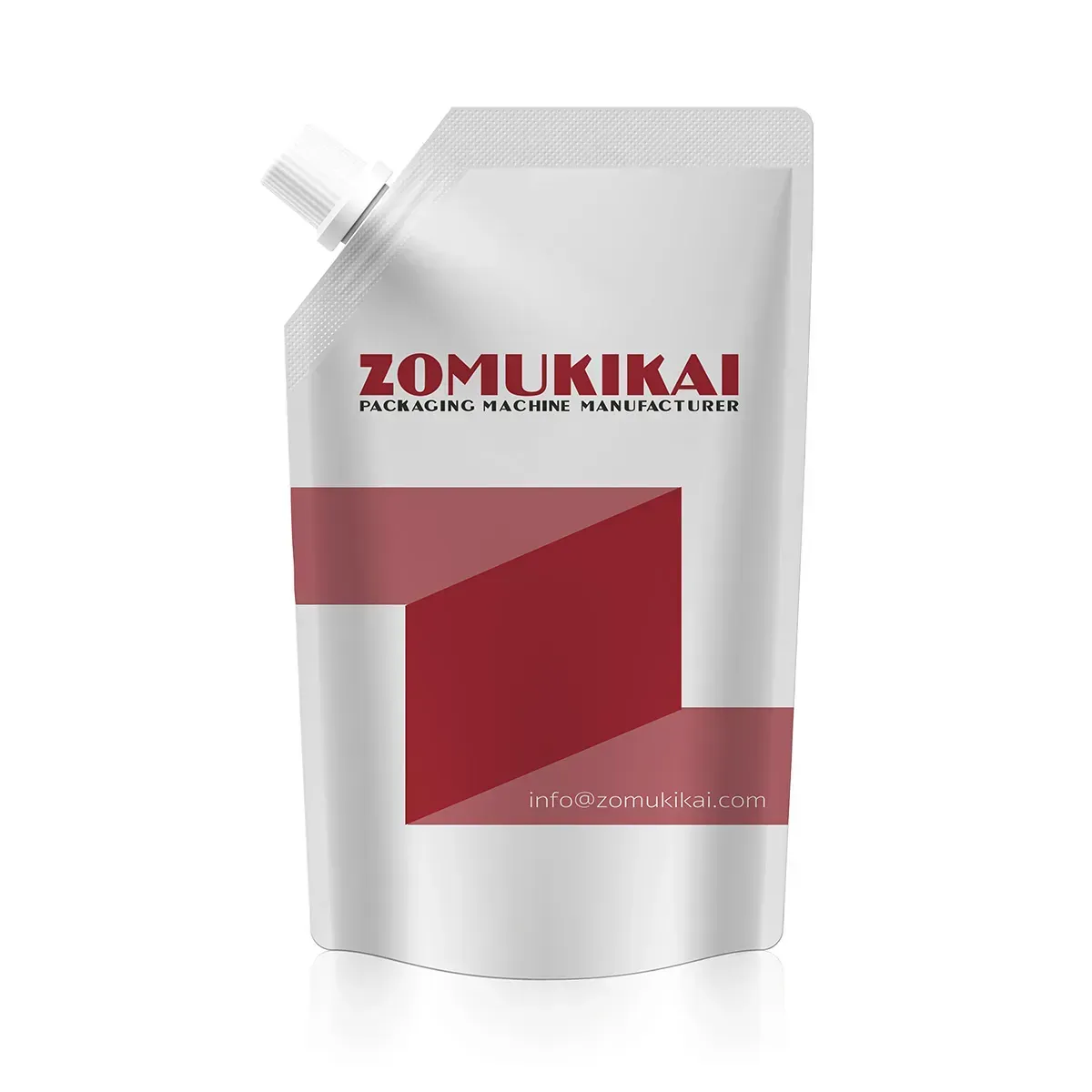
Spout Pouch
A spout pouch has a fitment for pouring or dispensing. Spout pouches are among the premade pouch formats handled by the ZP platform; the exact handling is confirmed for the pouch and product.
-
Zipper Pouch
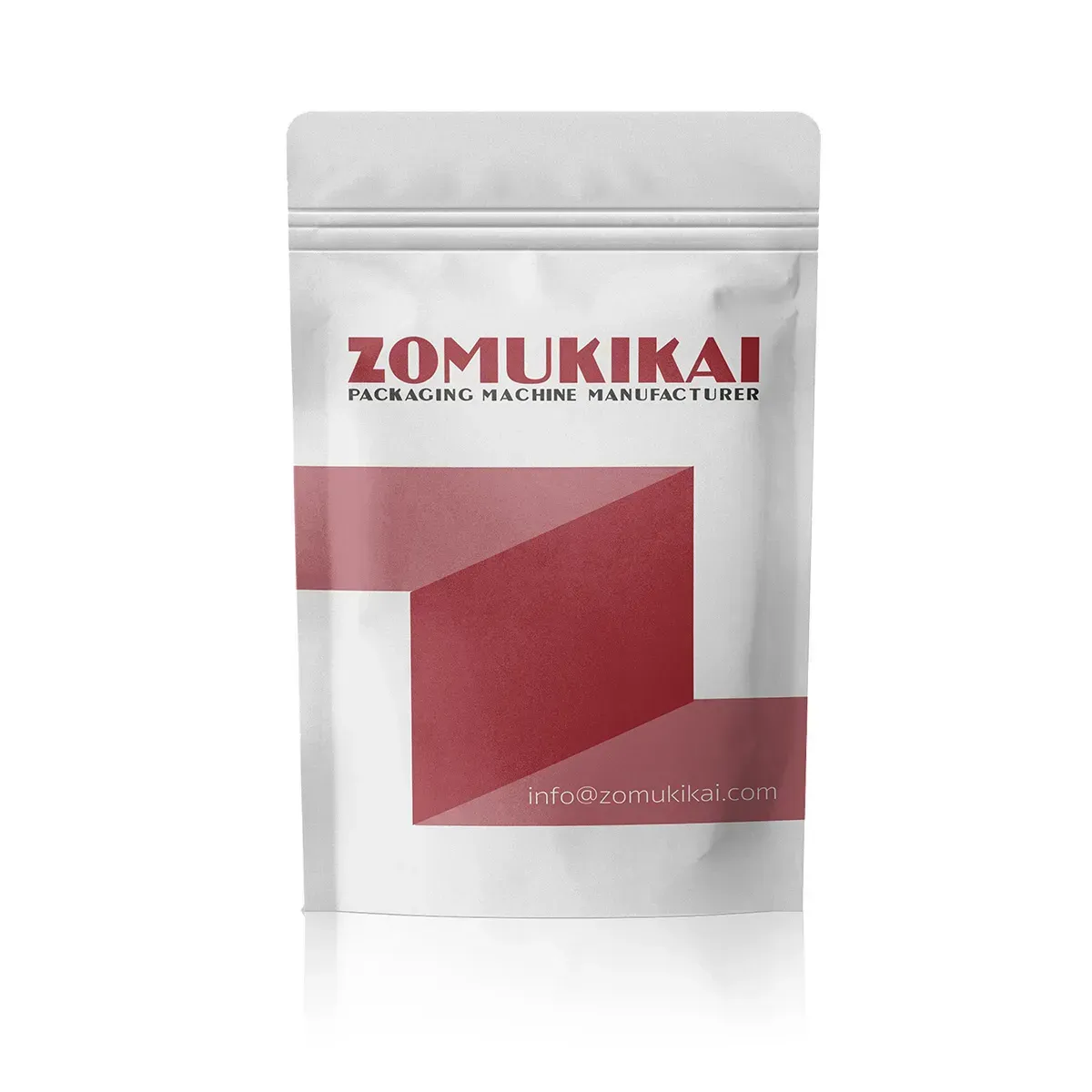
A zipper pouch adds a resealable closure to a premade pouch. Zipper opening and closing are available as platform options on the ZP range, selected for the pouch and product.
-

Stand-Up Pouch
A stand-up pouch uses a bottom gusset so the pack can stand on a shelf. The ZP platform handles premade pouches; the stand-up format is confirmed with the pouch sample, and options such as zipper opening or gas flushing can be selected when the product requires them.
-
Flat Pouch Packaging
A flat pouch is a premade pouch without a bottom gusset. It is one of the premade pouch formats covered by the ZP platform; the exact pouch handling is confirmed with the pouch sample and the product.
Materials
-

Granule Pouch Packaging
Granule products move differently from powders and liquids. This page covers how the ZP premade pouch platform is reviewed for granule size, fill weight and pouch format.
-
Powder Pouch Packaging
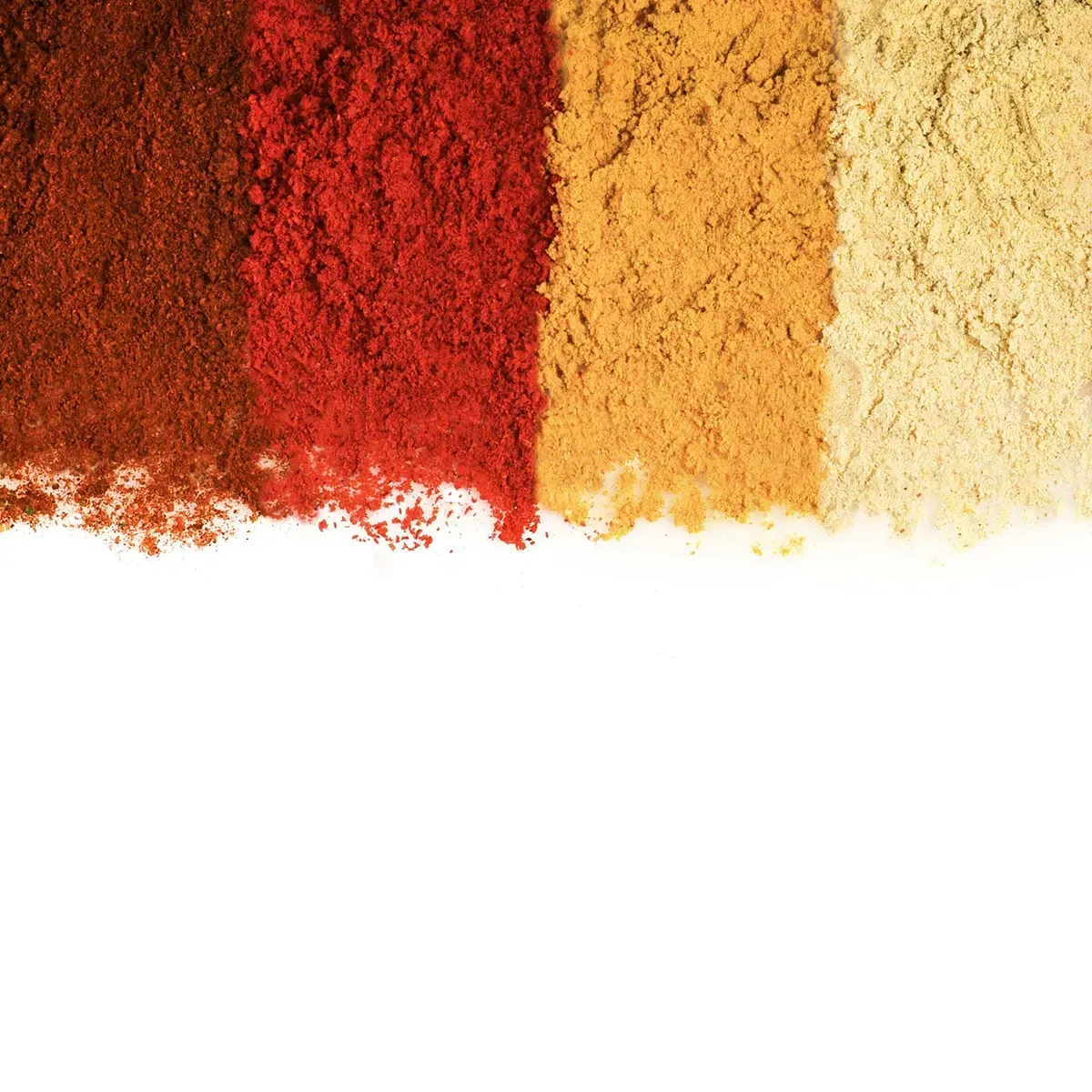
Powders bring flow, dust and aeration questions. This page covers how the ZP premade pouch platform is reviewed for powder behaviour, fill weight and pouch format.
-
Liquid Pouch Packaging
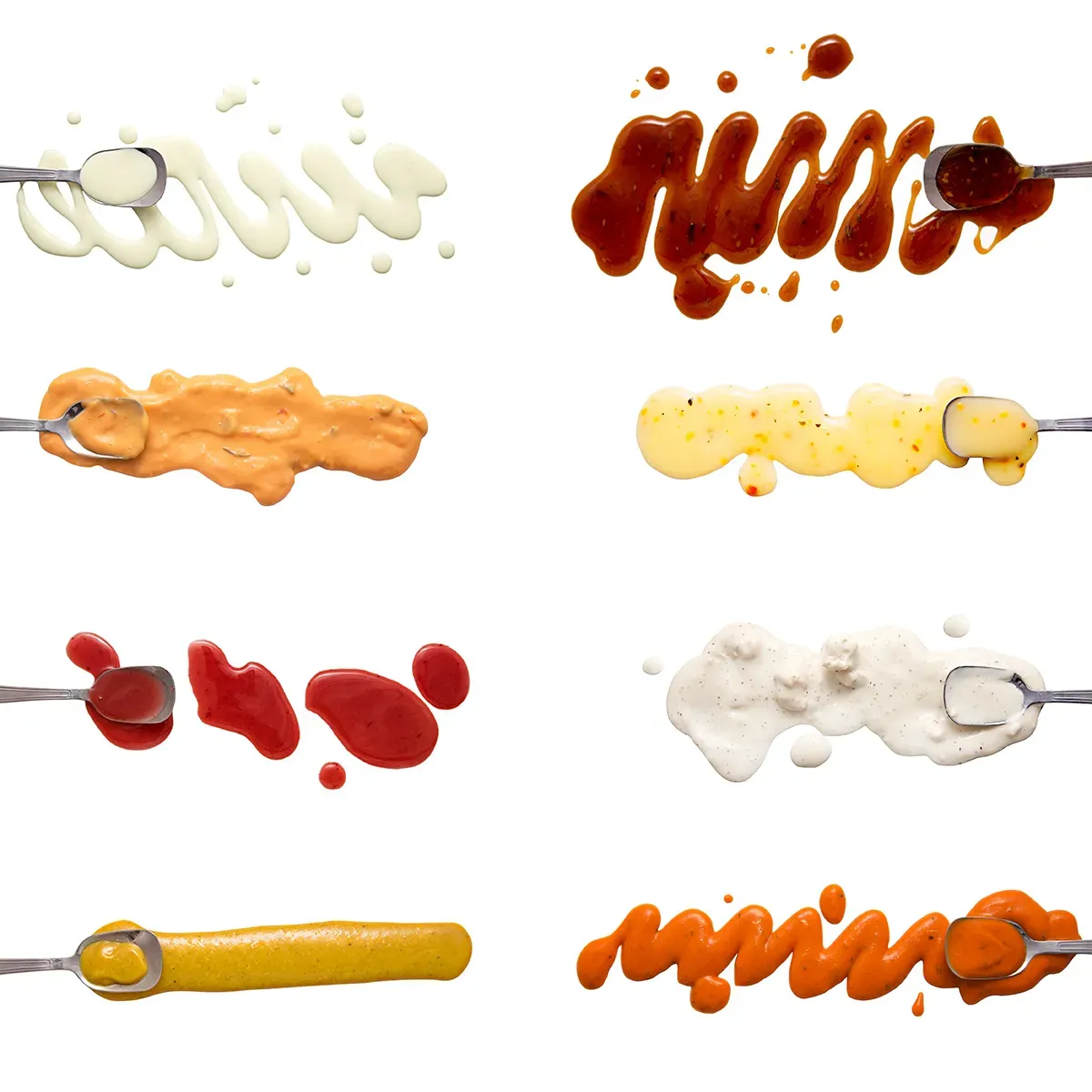
Liquid products are reviewed by viscosity, fill weight and pouch format. This page covers how the ZP premade pouch platform is matched to a liquid application.
Overview
Start with the product
The ZP range is configured around the product: powders, granules, liquids and pastes. The material behaviour decides the dosing system and the pouch handling. See packaging materials for the material groups and dosing direction.
Choose the pouch format
Premade pouches are supplied by the customer and loaded onto the machine. The platform covers flat, stand-up, zipper, spout, flat-bottom and shaped pouches; the exact handling is confirmed with the pouch sample. Compare formats on the premade pouch types page.
Match a ZP model
The model is selected by pouch width and length, fill weight and target output. The range covers pouch widths from 80 mm to 400 mm and fill ranges from 10 g to 3000 g; the ZP model range lists the confirmed parameters and output for each model. The platform is available in 8-station and 10-station configurations.
Prepare for a project
Provide the product, pouch dimensions and material, fill weight, target output and plant layout. Customers are asked to send their own pouches for testing; if shipping is impractical, equivalent pouches can be sourced locally.
FAQ
Powders, granules, liquids and pastes are the main product groups. The dosing method is selected for the product and fill weight.
Flat, stand-up, zipper, spout, flat-bottom and shaped pouches are covered by the platform. The exact pouch handling is confirmed per project.
Start with the pouch width and length, then confirm the fill weight and target output. The ZP model range lists the confirmed parameters for each model.
The machine is configured for the pouch formats in the project. The exact handling is confirmed with the pouch samples.
Yes. Customers are asked to send their own pouches for testing; if shipping is impractical, equivalent pouches can be sourced locally.
Start with the product and material, then the pouch format, then the model by pouch size and output. The material and bag-type pages cover the first two steps.