How to Choose a ZP Premade Pouch Machine
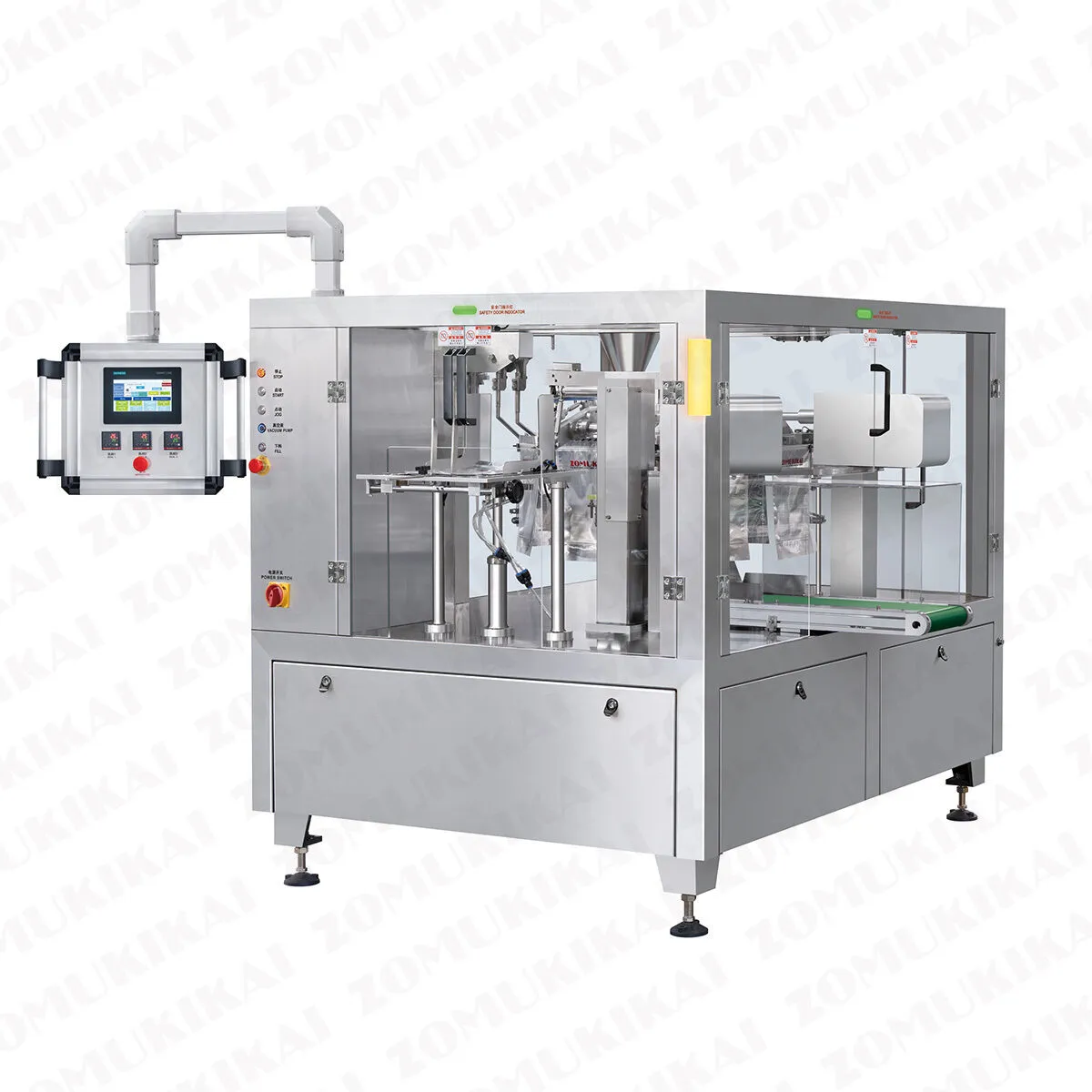
TL;DR: Choose by pouch width and length first, then by fill weight and output. The table below lists the seven confirmed ZP models; the final model is confirmed with a pouch sample.
What decides the model
The ZP range uses the same rotary platform logic across the models. The model differences are the pouch width and length they accept, the fill range and the output range. Dosing and options are selected per product and pouch.
ZP model comparison
| Model | Pouch size (W × L, mm) | Fill range | Output |
|---|---|---|---|
| ZP-8R200 | 80–200 × 100–400 | 10–1000 g | 10–60 pouches/min |
| ZP-8R180M | 80–180 × 100–400 | 10–1000 g | 10–45 pouches/min |
| ZP-8R260 | 130–260 × 100–400 | 10–1500 g | 10–50 pouches/min |
| ZP-8R300 | 190–300 × 100–400 | 10–2000 g | 10–40 pouches/min |
| ZP-8R360 | 260–360 × 100–450 | 10–2500 g | 10–25 pouches/min |
| ZP-8R400 | 300–400 × 100–500 | 10–3000 g | 10–25 pouches/min |
| ZP-10R200 | 100–200 × 100–400 | 10–1000 g | 10–80 pouches/min |
Power is 3.2–4 kW depending on the model. Every model uses 8 stations except the ZP-10R200, which uses 10.
Step 1: start with the pouch
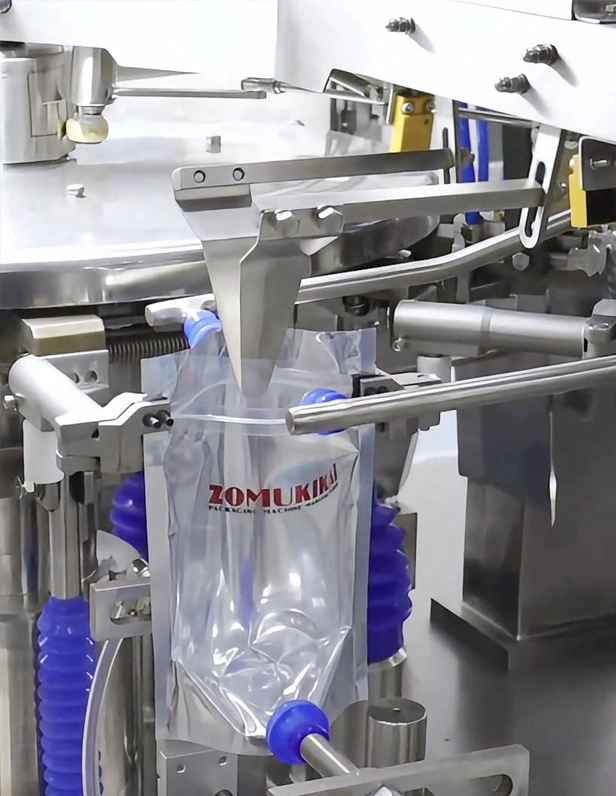
Measure the pouch width and length and confirm the format and material. The ZP range covers pouch widths from 80 mm to 400 mm and pouch lengths from 100 mm to 500 mm depending on the model. The premade pouch types page covers the six formats.
Step 2: match the product and dosing
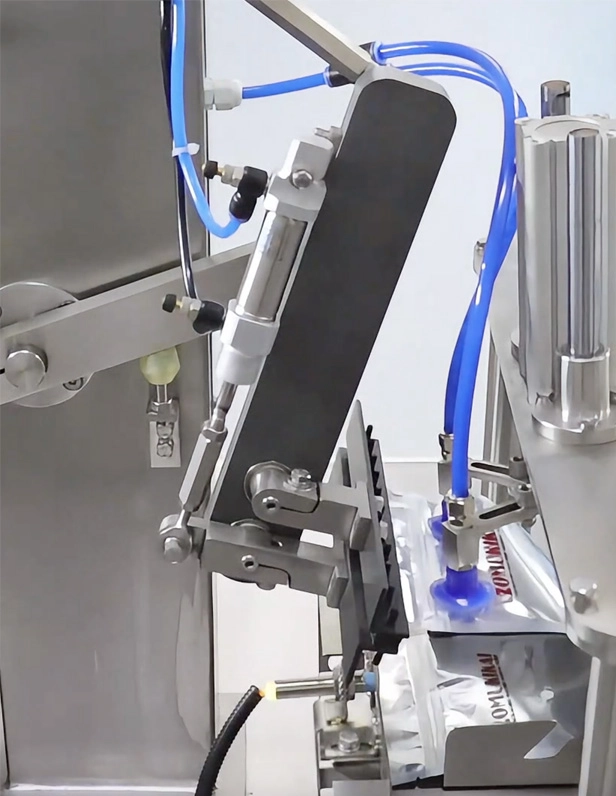
Granules can use a multihead weigher, powders a servo auger filler, and liquids or pastes a piston filler. Counting and custom dosing are defined per project. See packaging materials for the material groups.
Step 3: confirm output and options
Output depends on the product, fill weight, pouch and configuration. Options include zipper opening and closing, pouch-bottom opening and vibration, gas flushing, powder dedusting, empty-pouch inspection, shaped-pouch handling, TTO coding, scoop or desiccant feeders and downstream checkweighing or metal detection. The platform is available in 8-station and 10-station configurations.
Step 4: prepare the project
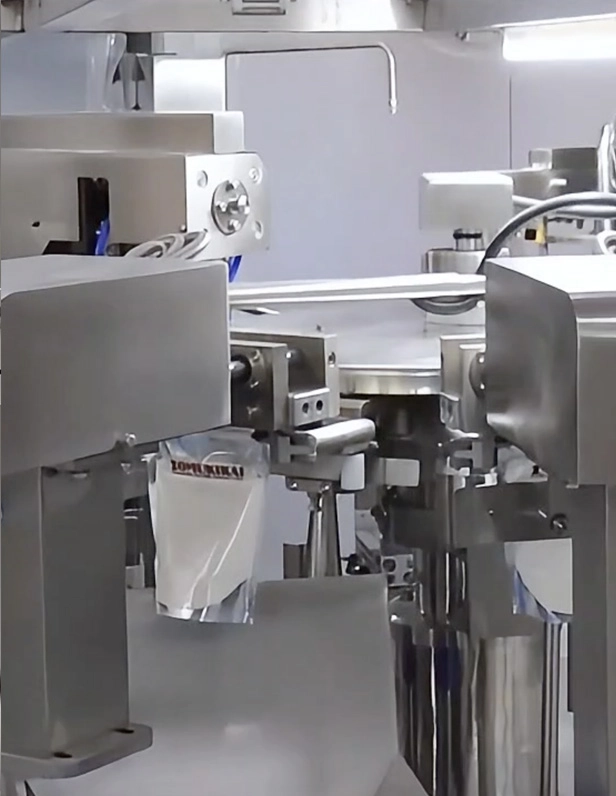
Provide the product, pouch dimensions and material, fill weight, target output and plant layout. Customers are asked to send their own pouches for testing; if shipping is impractical, equivalent pouches can be sourced locally. The full model list is on the ZP model range page.
Reading about a process or line setup? Send us your product, pouch type, and target output to discuss a matching packaging solution. Talk to our engineers →
FAQ
Start with the pouch width and length, then confirm the fill weight and target output. The comparison table lists the confirmed parameters for the seven models.
The models differ mainly in pouch size range, fill range and output. Dosing and options are selected for the product and pouch.
Yes, with the matching dosing system. Granules can use a multihead weigher and powders a servo auger filler; the choice is confirmed per project.
Zipper opening and closing and shaped-pouch handling are platform options, selected when the pouch and product require them.
Yes. Customers are asked to send their own pouches for testing; if shipping is impractical, equivalent pouches can be sourced locally.